- Home
- Wild Foraging
Foraging For Wild
Edibles on the Oregon Coast and Inland Regions
By Nestucca Valley Sporting Goods & Little Nestucca Deli
Foraging The Oregon coastal shores provide seaweed, clams, mussles and much more. Further inland... I've harvested greens, roots, mushrooms, berries, bark, and seeds... just to name a few.
Chances are... your backyard or a nearby field may be all you need for tomorrow's menu!
This wild thimbleberry plant is very abundant around here. I dry it to make a powder for tea or my health drink. Fresh leaves are great in my salad. And... the berries are out of this world!...
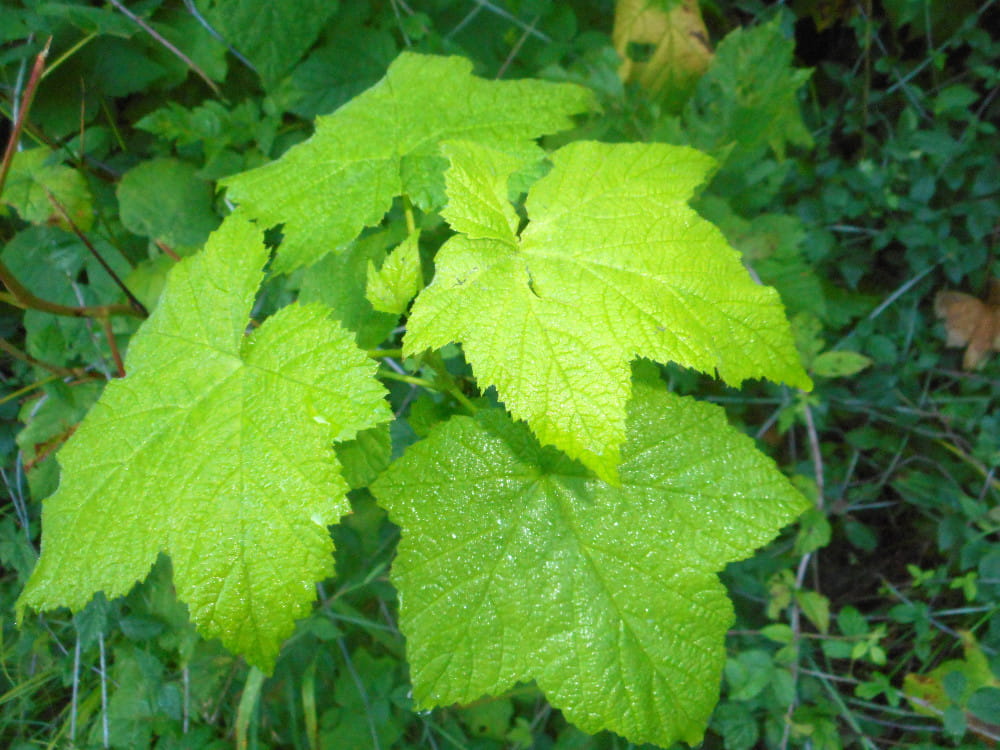
Are you looking for practical, regional guidance on searching for and consuming edible wild plants of the Pacific Northwest?" You've come to the right place!
The Pacific
Northwest: Endless Bounty of Wild Edibles!
Are you looking forward to collecting wild edibles on and near Oregon's beaches? Great! From there... travel inland about 10-15 minutes tops... then search the terrain in open areas, along the edges, and in the forests.
- “I've
never foraged for wild edibles before... where do I begin?” When I
first started, it didn't take long before I was able to collect a
variety of common, unmistakable wild and healthy plants.
“I'm afraid to forage and eat wild mushrooms.” After reading our guide about foraging and preparing wild mushrooms... you'll be completely prepared.
- Are you an experienced forager? If you're keying in on a specific, lesser-known plant or beach treasure... a diversity of microclimates will increase your chances of collecting nature's bounty. I just found a small patch of wild clevers in our Oregon coast range... common in many other areas but not here (for me!).
These wild plants I harvested in September are very plentiful around here in the Hebo, Oregon coastal inland region...
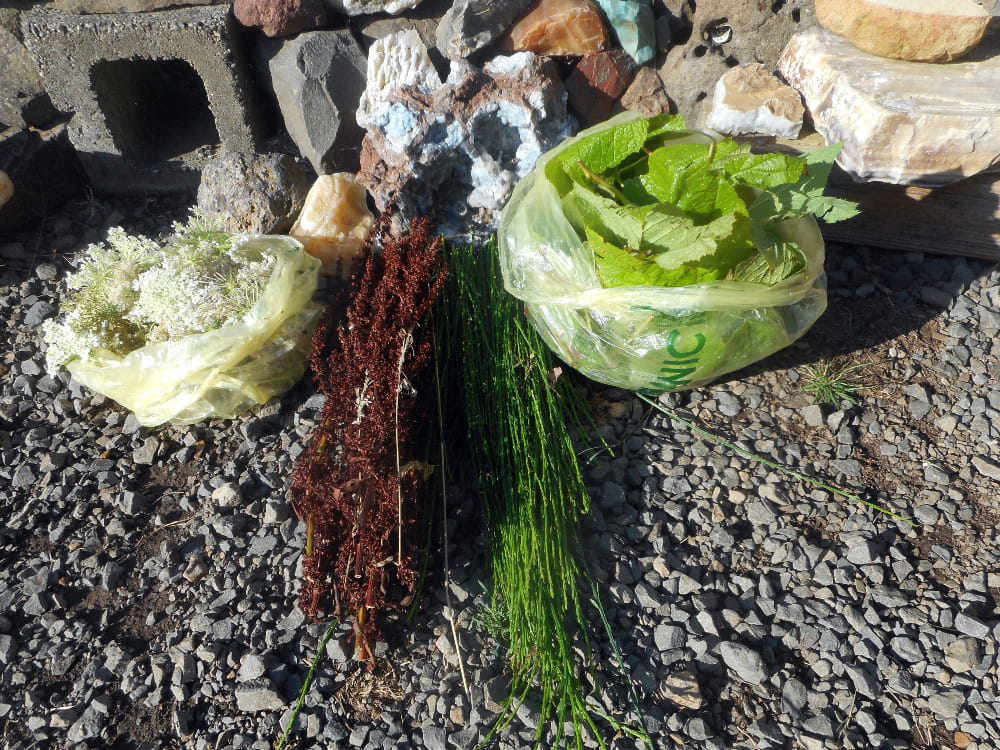 Wild carrot flowers, dockweed seed, thimbleberry leaves, and plant stems
 Wild carrot flowers, dockweed seed, thimbleberry leaves, and plant stems
Here's
Just a "Taste" of What You're in For
I could write a zillion pages about the benefits of foraging in our western Oregon outdoors!
Here are just a few...
- Nutrient-loaded: “Are wild edibles more nutritious than store-bought? Yesirr! And they're fresher... so they'll last longer in your 'frig
- Probiotic
and prebiotic powerhouse: Keep in mind that all of the plants you pick are loaded with
probiotics on their surfaces. Quit buying those super-expensive
probiotic and prebiotic supplements!
And... fresh store-bought fruits and vegetables have been washed, so only a small amount of healthy organisms still remain on the surfaces - Delicious dessert: Who doesn't crave a wild blackberry cobbler? Or... just eat them fresh! I enjoy frozen and partially thawed berries when it's hot outside. Making a fruit smoothie? Add some blackberries! A beginner can easily identify the blackberry, a tasty, nutritious snack!
- Good 'ol apples: Wild apples are super delicious... eat them fresh, in a smoothie, dried or fermented. I've kept them in the 'frig for months
- Homemade
fermented apples
(and other plants) still have the “mother.” It's not filtered
out like many store-bought fermented foods. Your homemade fermented
fruits and vegetables will last 2-3 months (or more) in the 'frig!
Once you open store-bought fermented foods... some only last maybe a couple of weeks... tops - Save tons of money: Tired of paying $10-$80 an ounce for dried plants (herbs, etc.). You can pick this stuff (you don't even need to grow it!) and dry it yourself. I dry mine in the sun... simple!
I'm just about ready to put my fermented apples in the refrigerator after 7 days. They taste perfect now, so the cold environment...
...will slow down the fermentation process...
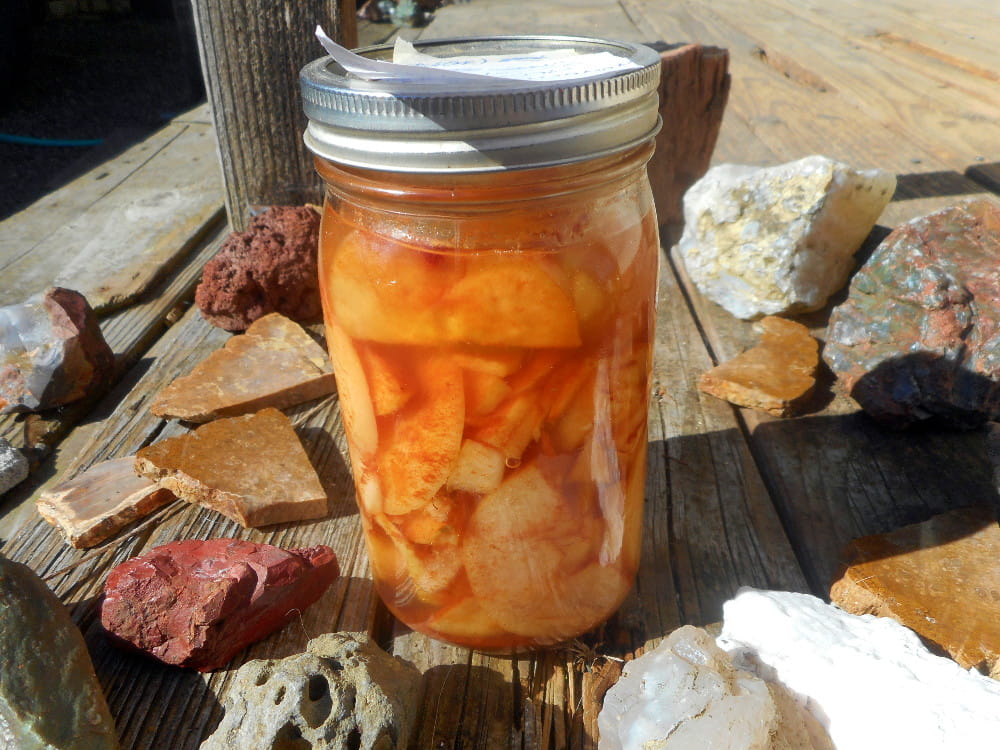 I added some cinnamon and raisins to my ferment (raisins are hidden)
 I added some cinnamon and raisins to my ferment (raisins are hidden)
When
in Doubt, Throw it Out...
Or don't harvest it.
The bounty of wild edibles in the Pacific Northwest is endless... There are so many other options if you're just not sure. Here's more.
Ten Popular Wild Edibles On Our Oregon Coast and Inlands
Based on my research and what I know... the following forages are probably the most popular. However... possibly, some might be on this list because they're more available and easier to harvest.
My personal list is quite different because I forage and use just about everything that's edible and thrives here where I live. I can find a use for every wild plant, even if it's not too tasty. For instance... in my health drink or fermented (this does wonders!). Another point...
Blackberries are plentiful... they grow just about everywhere. They're tasty, nutritious, and easy to store. I don't understand why they're not on the following list unless they're not "native" to our region!
Maybe I'll post my top 10 (it'll be more) here when I finish this page. This also applies to our Seasonal
Foraging Quick-Reference Guide down below :-)
Blackberries are by far my favorite Oregon coastal and inland region berry. Other berries are very delicious but not as abundant...
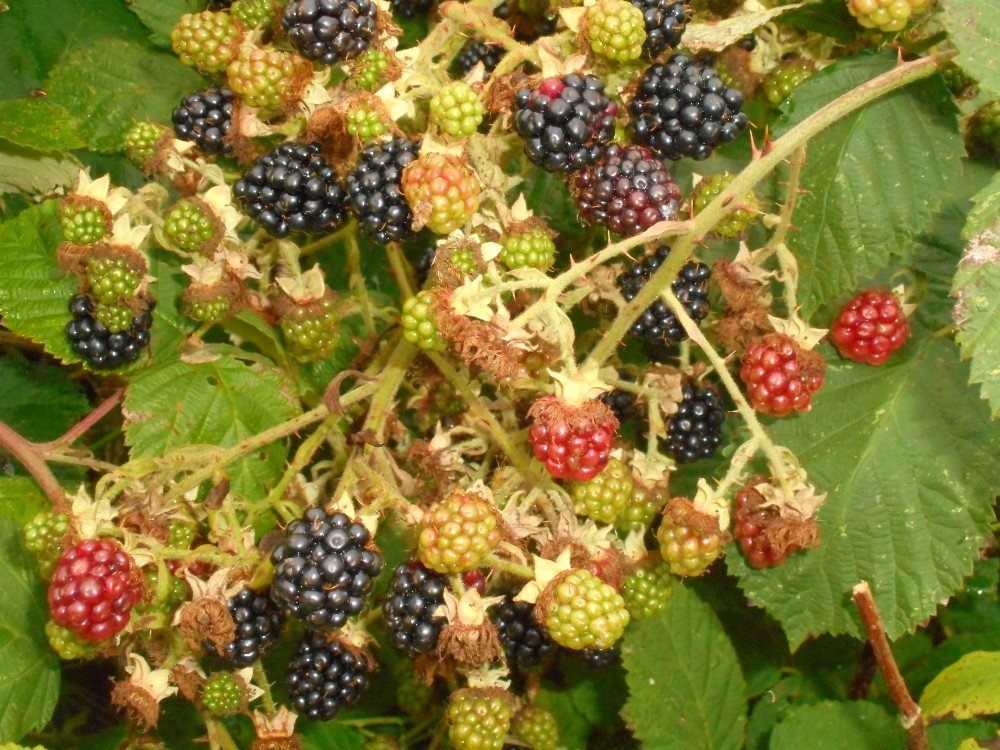 I love to add frozen blackberries to my fruit smoothie!
 I love to add frozen blackberries to my fruit smoothie!
Golden
Chanterelle (Cantharellus
formosus)
- Location: Chanterelles thrive in the conifer forests of the Oregon Cascade and Coast Range. This mushroom prefers the mossy environment under Douglas fir and hemlock. Still, don't overlook other areas if you have a hunch!
- Description: A vibrant yellow-golden color, with a fruity apricot smell, and blunt ridges (false gills) running down the stem... the golden chantrelle is Oregon’s official state mushroom
-
Season: Late summer through winter (peak: October–November)
Tip: My brother and a couple of friends forage for chanterelles in our local Tillamook County, Hebo-area hills.
Tips and Sustainable
Foraging Ethics
- Please only forage what you can use. "Can I pick the whole plant, including its roots?" Well... just make sure there's enough in the area so they can reproduce. Try not to harvest more than 10% of a plant colony.
Leave the roots intact unless this is your forage intent. Keep this in mind when gathering flowers and seeds as well. Always leave enough for reproduction
- Step
lightly to preserve delicate coastal dunes and forest floors
- When foraging for leaves... keep coming back to the same spot after the new leaves have grown. This way... you can harvest well beyond the growing season as the plant keeps trying to develop new seasonal growth... deer will also do this for you!
Also look for new growth after the fields are mowed - Harvest the new, tender growth tips for optimum nutrition and tenderness
- Leaves and flowers are more nutritious when they are growing. Harvest roots when the above-ground part of the plant stops growing (optimum utrition). For me... this is not set in stone. I also consider convenience, harvesting weather conditions, etc
Evergreen
Huckleberry (Vaccinium
ovatum)
& Red Huckleberry (Vaccinium
parvifolium)
- Location: Coastal and inland forests. The huckleberry prefers rotting logs, coastal trails that are shaded, and along the edges of evergreen woods
- Description: The red huckleberries ripen in mid-summer. They are tart and vibrant bright red. The evergreen huckleberry has a nice, sweet taste. Growing on leathery-looking leafy shrubs, they are black-blue and small
-
Season: Red huckleberry-mid-July to August. Evergreen-September
into December
Tip: "Can I ferment wild huckleberries successfully?" Yes. These fruits really come to life when fermented!
Miner's
Lettuce (Claytonia perfoliata)
- Location: Inland river canyons, riparian zones, undergrowth that is shady and damp, and coastal dunes
- Description: Mature miner's lettuce leaves are rounded and circle the stem with small white or pink flowers. The young leaves are triangular or sword-shaped. The plant appears as low-lying clumps or trailing vines
- Season: Early spring through early summer
Tip: I read that during the 1800s, soldiers suffered from scurvy... a lack of vitamin C. They discovered that wild miner's lettuce was loaded with it... problem solved!
Odd... I've only found a few miner's lettuce plants growing in the wild while foraging around the Nestucca River Valley and surrounding areas.
Salmonberry
(Rubus
spectabilis)
I sun-dried these wild salmonberry leaves...
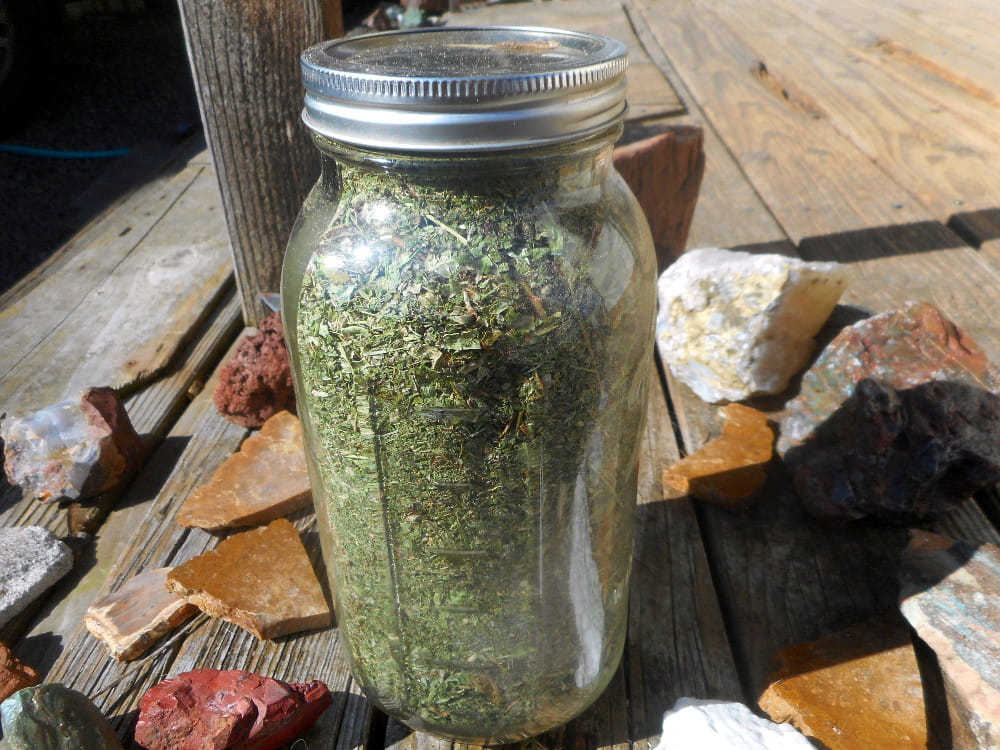 My salmonberry leaves are a few days old. Store-bought might be 1-3 years old!
 My salmonberry leaves are a few days old. Store-bought might be 1-3 years old!
- Location: I find them abundantly along the edges of logging roads in thick forage. I've read that they thrive along stream banks in our Oregon wet, coastal forests
- Description: I've seen them growing as shrubs up to about 5-6' tall. The leaves of the salmonberry plant somewhat resemble a nettle, with jagged edges and pointy tips. The magneta flowers give way to a yellow-orange raspberry-looking berry (the ones around my Oregon coast foothills). I've read that they appear as reddish-pink as well
- Season: Fruit - From May to July. Leaves - I harvest the leaves from May to early August in my area. The berries are tasty as well, but not as abundant as the blackberries
Tip: The fruits are really delicious, just like the thimbleberry. Every
thimbleberry or salmon berry that I've eaten is super-sweet, if
picked when they are soft and ripe.
Stinging
Nettle (Urtica
dioica)
- Location: Stinging nettles prefer rich, moist soils, riverbanks, and disturbed forest floors both on the coast and inland valleys
-
Description: Coarsely
toothed and covered in tiny, stinging hairs. With opposite leaves,
each stinging nettle grows on an individual stem. When I dry them,
this neutralizes the sting... so does cooking. The nettle is known as
a storehouse of nutrition (I think most wild edibles are!)
- Season: Early spring (I've also harvested them through the summer)
Tip: I've been harvesting from a patch out in the middle of an open field in direct sunlight at the time of this writing. Maybe it's a low area that holds moisture?
Salal
(Gaultheria
shallon)
I harvest salal from this area along our "secret" hiking trail...
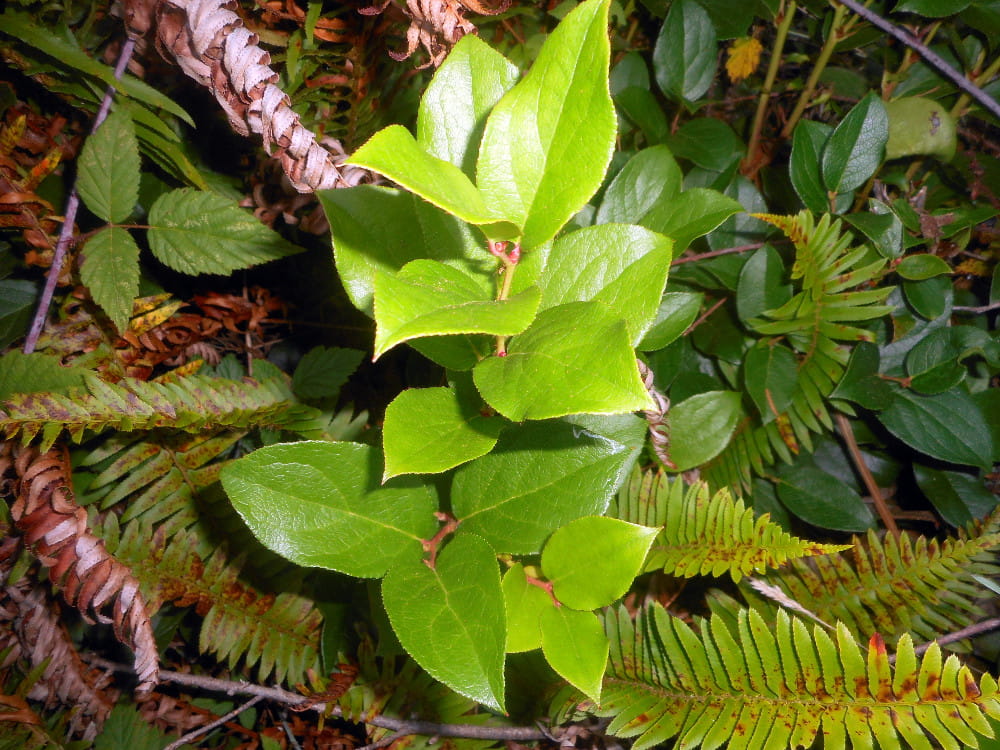 I've never seen berries on this stretch of salal due to certain environmental factors
 I've never seen berries on this stretch of salal due to certain environmental factors
- Location: Salal is located along coastal trails, dunes, and conifer forests (inland)
- Description: Oval, thick, leathery leaves with a pointy tip. The fruit resembles blueberries and may be purple to black. You'll notice a distinct 5-pointed star shape on the bottom. They have a special sweet flavor. Commonly dried into cakes or makes a great jam
- Season: Late summer to early autumn
Tip: Since the salal leaves stay green all winter, I include them in my wild tea ingredients...
along with my dried plants, fresh fir needles, and ferns.
King
Bolete
/ Porcini (Boletus
edulis)
Mushroom
- Location: Coastal spruce/fir forests and high-elevation Cascade mountain conifer regions
- Description: The King Bolete / Porcini is a highly prized, tasty, wild edible fungus. The smooth, brown cap appears small compared to the stem... which is club-like, including a fine netting finish. Underneath, there's a spongy layer of pores instead of gills
- Season: Late summer through autumn
Tip: As with other tasty and somewhat rare wild edibles... I leave no trace. I hunt really early in the day and try not to leave a trail :-)
Mushroom Identification Tip
Use regional guides like Natalie Hammerquist's Edible Plants of the Pacific Northwest while foraging your tasty, wild mushrooms.
This practical foraging guide teaches you how to identify, cook, and harvest 40 common wild plants in the region.
Redwood
Sorrel / Wood Sorrel (Oxalis
oregana)
- Location: Redwood or wood sorrel thrives in partial or full shade... covering the moist floors of coastal redwood and Douglas fir forests
- Description: Resembles
clover
leaves that are heart-shaped with purplish-red undersides. The leaves fold up at night or during stormy weather. The
delicate flowers of wood sorrel have five petals that appear white to pale pink. When eaten raw, it has a lemony kick to it.
Note: You'll read that you should eat in moderation due to oxalic acid. However... If you eat a variety of all greens... this should not be a problem. Lots of vegetables are high in oxalic acid :-) - Season: Spring through autumn
Tip: When I first started foraging, I thought I was harvesting clover. There are also a lot of dandelion look-alikes, which I harvest as well...
Worth Repeating: If You Don't Know What It Is, Don't Eat It
With plenty of forage year 'round here on the Oregon coast and our inland areas...
There's no reason to harvest a plant that you cannot identify with 100% certainty.
A few years ago, I harvested what I thought was a wild carrot. It smelled the part, but the appearance was a little questionable. I used it for my "wild tea"...
...along with other fresh and dried wild plants. Every time I drank my tea... I felt light-headed for about an hour afterwards. I was sure this was the culprit. I eliminated it, and bingo!
I'm lucky nothing else happened :-)
Bullwhip
Kelp
- Location: I've seen this massive, fast-growing species of brown seaweed growing off of the Oregon coast in Pacific City. It thrives from Alaska down to central California
-
Description: Bullwhip kelp grows up to 100' long and anchors to the ocean floor. The long, tube-like structure is hollow (stipe) and reaches the
ocean surface. There's a gas-filled bulb at the top of the stipe
that keeps the plant upright and captures sunlight.
Attached to the bulb are long blades that float in the ocean currents. This is an annual specimen, so the growth rate can reach up to 2' per day!
Note: I've heard that the long tubes are harvested and made into kelp pickles. I gather the blades of the bullwhip kelp and eat them fresh in a veggie puree or dry them as well.
- Season: Year-round. I harvest it after a storm. Its roots are torn from the ocean floor, and the entire plant is washed ashore
Tip: While fishing for sea bass off the Oregon coast in Pacific City, I cast my jig into the kelp beds. The sea bass are hiding under the blades. They'll come out and nail my rubber worm jig!
Extra Tip: While you're foraging for seaweed off of our Oregon beaches (after a winter storm is best for me)... you might find a real treasure... a vintage Japanese fishing float like the one that I (my dog) found!
I harvested the blades from this bullwhip kelp at our local Cape Kiawanda beach on the Oregon coast. The seabass I mentioned above were hanging out in the kelpbeds right next to Haystack Rock in the foreground...
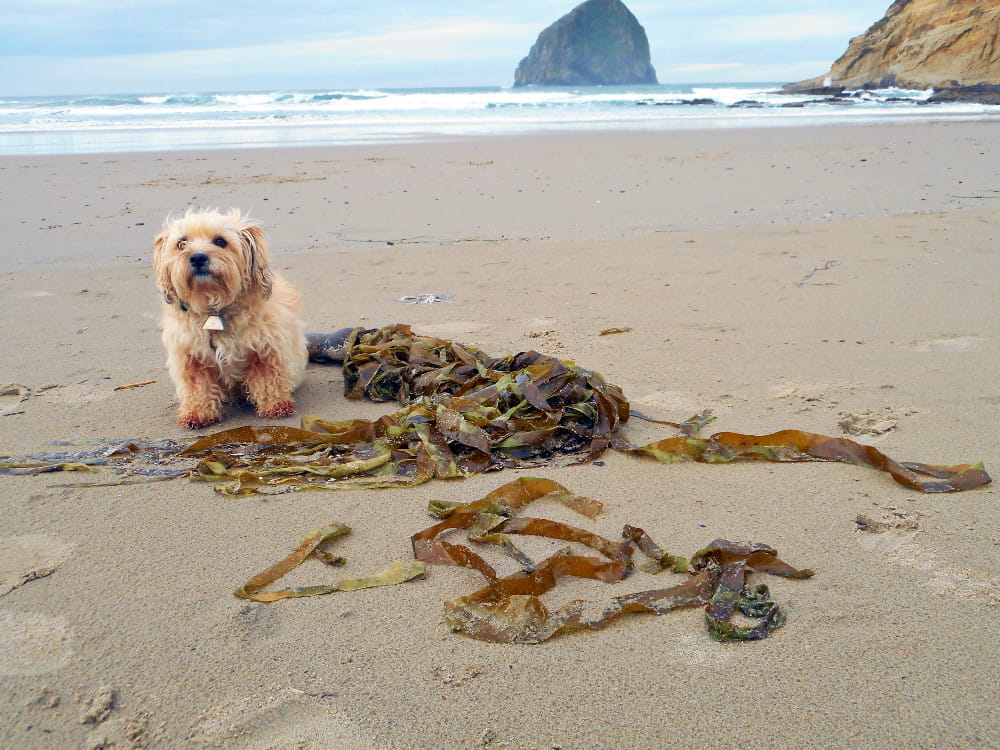 I like harvesting this kelp after a winter storm
 I like harvesting this kelp after a winter storm
Morels
(Morchella
spp.)
Location: Strictly inland, the morel is found near river bottoms, cottonwood stands, in lower valleys, or recent wildfire burns in the Cascade mountains. Also found on forest floors by broadleaf and coniferous trees
Description: The cap has a distinct, irregular honeycomb pattern. The mushroom
is hollow from the very tip of the cap to the base of the stem
Season: April through June. As the snow melts, move up in elevation
Tip: As with many wild edibles, you'll find look-alikes that are edible or toxic. False morels do not have a hollow interior and are toxic.
Seasonal
Foraging Quick-Reference Guide
For easy access, bookmark this Oregon coastal and inland region foraging chart.
Use it year-round...
...keeping in mind that you'll include many more wild edibles as you become an experienced forager!
Spring: March-May
Stinging Nettles
- Location: Inland damp forests, riverbanks, open damp clearings
- Edible Parts: Young leaves & shoots
- Notes: Wear gloves. I dry it, then use it in tea or powder
Miner’s
Lettuce
- Location: Shady inland woods, coastal bluffs
- Edible Parts: Leaves, stems, flowers
- Notes: Excellent in salads, high in Vit C
Sea
Vegetables (Nori,
Kelp, and Dulse)
- Location: Coastal rocky intertidal zones
- Edible Parts: Whole fronds
- Notes: Dry or eat fresh. I harvest after a storm "uproots" them
Spruce
Tips
- Location: Coastal Sitka spruce forests
- Edible Parts: Bright green new growth
- Notes: Citrusy, smells wonderful. Excellent for tea. I harvest fur "needles" as well.
Morelle Mushrooms
- Location: Inland coniferous forest floors
- Edible Parts: Fruiting body
- Notes: Always cook
Summer: June–August
Salmonberries
- Location: Coastal wetlands, inland stream banks
- Edible Parts: Ripe orange/pink super-sweet berries
- Notes: First berry of the season. I also harvest the leaves
Salal
& Thimbleberries
- Location: Coastal trails, forest margins
- Edible Parts: Plump red berries, shrubby plant
- Notes: Extremely sweet, jam or raw. Harvest all winter
Sea
Beans (Glasswort)
- Location: Coastal marshes, estuaries
- Edible Parts: Tender green segments
- Notes: Crunchy and salty raw, excellent pickled or sautéed
Huckleberries (Red
& Evergreen)
- Location: Inland woods, beach sand dunes
- Edible Parts: Tart, small berries
- Notes: Pick well into late summer
Fall: September–November
Chanterelle Mushrooms
- Location: Moist coniferous forests (inland & coast)
- Edible Parts: Fruiting body
- Notes: Golden or white. A real delicacy
Porcini Mushroom
- Location: Deciduous and coniferous woodlands
- Edible Parts: Fruiting body
- Notes: Highly prized, tastes rich, nutty, and meaty
Matsutake Mushroom
- Location: Coastal pine sand dunes, mountain conifers
- Edible Parts: Fruiting body
- Notes: Rare, highly prized, unforgettable flavor
Oregon
Grape
- Location: Foothills, dry inland forest understory
- Edible Parts: Tart, yellow-fleshed berries
- Notes: Best after the first frost, excellent for jellies. I use the leaves in tea
Acorn (Nut)
- Location: Oregon white, black, or tan oak trees
- Edible Parts: Nut meat
- Notes: Do not eat raw because of high tannin count
Hazelnut
- Location: Wooded foothills and forest edges
- Edible Parts: Nut meat
- Notes: Commercial hazelnut is known as a filbert
Winter: December–February
Hedgehog Mushroom
- Location:
Damp conifer woods, often in mossy areas
- Edible Parts:
Fruiting body
- Notes:
Mild, nutty, and slightly sweet
Oyster Mushroom
- Location:
Coastal rainforests, on decaying or dying logs
- Edible Parts: Fruiting body
- Notes:
Hardy winter mushrooms. I enjoy them raw
Winter Seaweeds
- Location: Coastal shorelines
- Edible Parts:
Fresh
blades (fonds)
- Notes:
Available
year-round. Washes up on beaches after storms
Hardy Perennials
- Location:
Disturbed
fields, forest clearings, logging roads
- Edible Parts:
Roots or above-ground parts
- Notes:
Examples - Dandelion roots. I harvest dock leaves in the winter during warmer temperatures
Oregon Harvesting Regulations
Before you forage for a particular plant or animal...
...it's best if you check for specific rules and regulations applying to the area you wish to forage and the harvest you are going to collect.
For instance, are you going to harvest mushrooms or berries in an Oregon State park? You might be restricted to personal use only. Certain gallon limits may apply, and collecting whole plants and roots may be prohibited.
Check the Oregon Department of Fish and Wildlife Shellfish Regulations for up-to-date coastal harvesting rules, limits, and closures.
Mention ODFW and U.S. Forest Service permit requirements.
"Hey Daddy... I don't think we can forage too much today..."
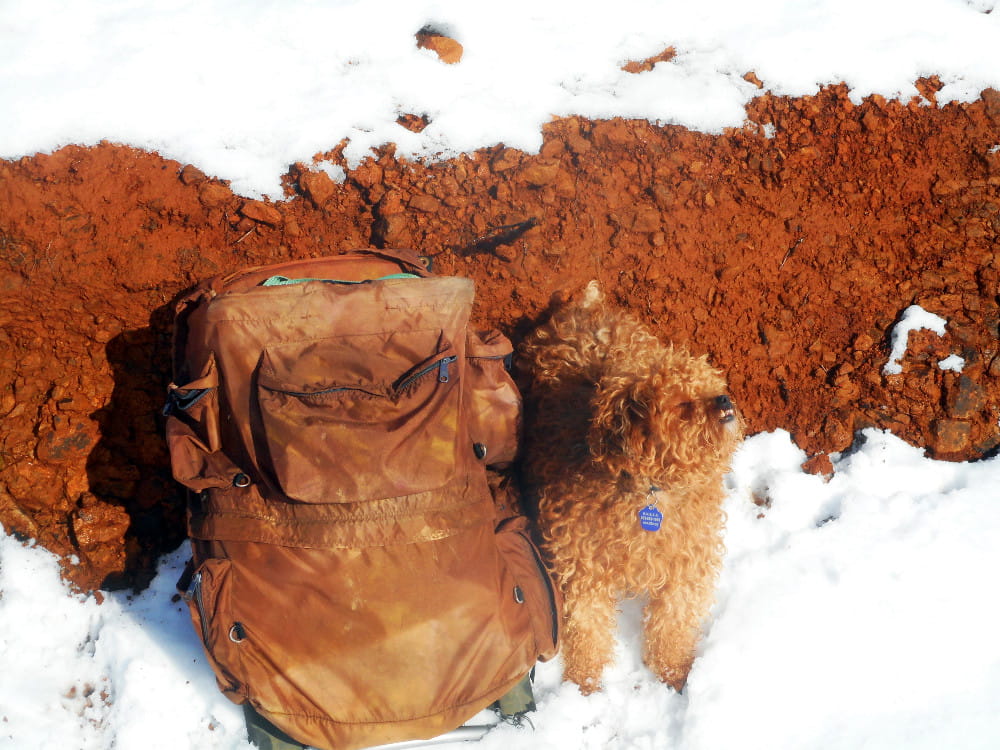 This inland Oregon coastal logging road provides some excellent foraging along the edges
 This inland Oregon coastal logging road provides some excellent foraging along the edges
Are You Going to Forage on the Oregon Coast or Inland Forest?
Both areas have their own set of rules:
- Inland
forest: US
Forest Service
or Oregon Department of Forestry
- Coastal harvesting: Check with the Oregon Department of Fish and Wildlife
Foraging on the Oregon Coast
Hunting for Shellfish and Seaweed
- Licenses: Everyone age 12 and older must buy a valid shellfish license before harvesting clams, crabs, mussels, or other marine invertebrates
- Clams: The daily limit for bay clams is 20 in total (only 12 can be gapers). Razor clams have seasonal closures, such as July 15 to September 30 north of Tillamook Head
- Crab: You can keep up to 12 male Dungeness
crabs
per day, and they must measure at least 5.75 inches across the back. The daily limit for red
rock crab
is 24 of any size.
- Toxin safety: Always call the Oregon Department of Agriculture Biotoxin Safety Hotline at 800-448-2474 before you eat any coastal shellfish or seaweed
- Seaweed: You do not need a license to harvest seaweed. Collection in Oregon
State Parks and the Ocean Shore State Recreation Area, you can
harvest up to 1 gallon per day and 3 gallons per calendar year.
You must cut plants by hand using a knife or scissors, and never pull up the root base (holdfast). Please check with the Secretary of State before you harvest.
- Protected species: Do not harvest Sea Palm (Postelsia),
Eelgrass (Zostera),
or Surfgrass (Phyllospadix).
Hunting
Wild Edibles on the Oregon Coast Beaches, Dunes, and Estuaries
Thanks to the 1967 Oregon Beach Bill, unique access is permitted to Oregon coast foragers on beaches, dunes, and estuaries.
To protect our fragile environments, harvesting wild edible plants, sea vegetables, and marine life in these Oregon coastal ecosystems is tightly regulated.
The regulations depend strictly on the type of organism and the specific ecosystem you are foraging in.
The Oregon Parks and Recreation Department (OPRD) manages the "Ocean Shore" (the land between the extreme low tide and the statutory vegetation line), as well as numerous coastal state parks.
- The Fruit and Berry Rule: Visitors are allowed to gather wild edible fruits, berries, seeds, and nuts for personal consumption along our Oregon coast
- Quantity Limits: The daily limit is 1 gallon per person, per day in most state parks (such as Fort Stevens)
- Strict Prohibitions on Wild Edible Roots and Stems: You cannot uproot living plants or harvest roots, tubers, flowers, or stems (such as fiddleheads) without written scientific or research permits. Digging up native Oregon dune-stabilizing plants is strictly illegal
- Tribal Exceptions: Enrolled members of federally recognized Oregon tribes are legally exempt from the root/stem restriction when gathering for traditional, medicinal, or cultural practices
Foraging
the Oregon Inland Coastal Region
- State Parks: You can pick up to 5 gallons of berries, fruits, or mushrooms per person per day for personal use, unless a sign says it is not allowed
- National Forests: Gathering small amounts of mushrooms (usually under 1 gallon per day) for personal use is free in places like the Siuslaw National Forest. Rare or commercial harvesting (like Matsutake mushrooms or amounts over 1 pound) requires a paid permit.
- National Parks: Picking or foraging any plants, berries, or mushrooms is strictly illegal in all National Parks and Monuments
- Private Land: Always get permission from the landowner before you forage on private property
- Location
Rules: Foraging small amounts of berries and mushrooms for personal use is
generally allowed...
...in state forests and national forests like the Siuslaw National Forest. Picking is prohibited in marine reserves, state-designated marine gardens, national parks, and designated wilderness areas. - Sustainability: Take only a small percentage (ideally under 10%) from any single plant patch or mushroom cluster.
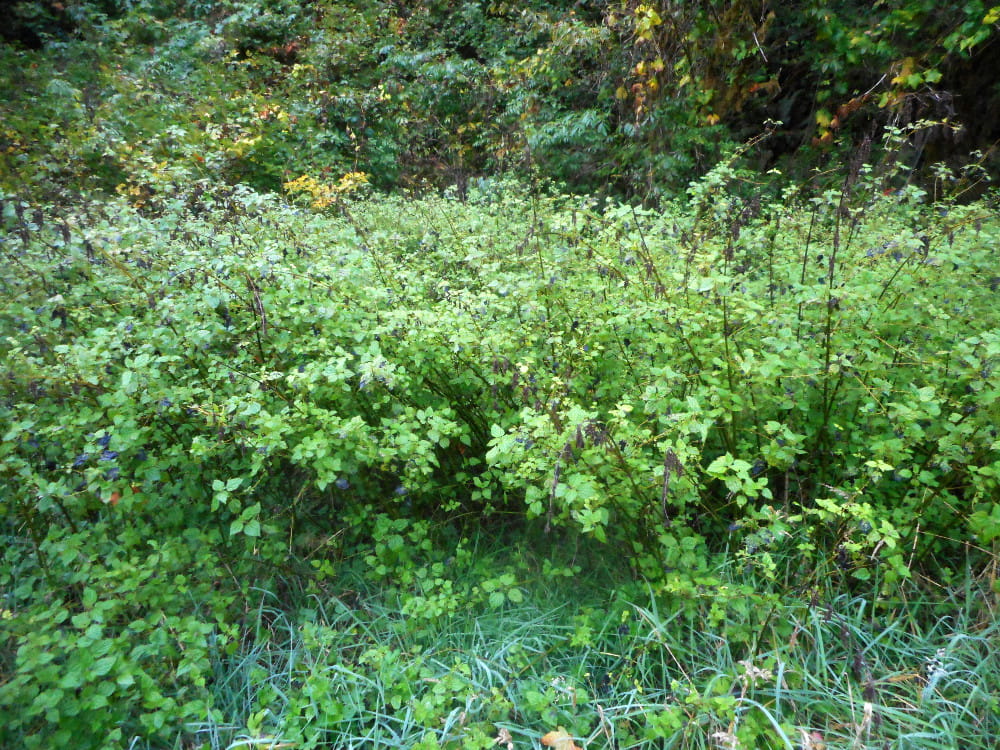
I asked permission from the landowner before harvesting from this patch of wild stinging nettles...
To Be a
Successful Forager, We'll Cover...
Coastal or Inland Foraging Separately:
- When to forage: Winter, spring, summer, or fall
- What to forage: Beginners and experienced foragers
- Where to
harvest: Disturbed soil, open fields, and more... on the coast and
inland regions
- Proper identification for safety: If you're not sure, don't eat it. Avoid toxic look-alikes
- Regulations: Foraging laws and permit requirements
- Storage: Easy and long shelf life
- Uses: Teas, remedies, fresh in salads, etc
- Preparation: Drying, powders, fermenting, etc
- Homemade recipes: "I never thought that a wild edible could be this delicious!"
- Foraging gear: Making foraging in Oregon easy and fun
- And more
Do You Want to Forage on the Oregon Coast or Inland Regions?
Just click the image link below with the description (not visible yet) for easy and quick access to your preferred Oregon harvesting area...
Then select the wild edible you prefer to harvest!
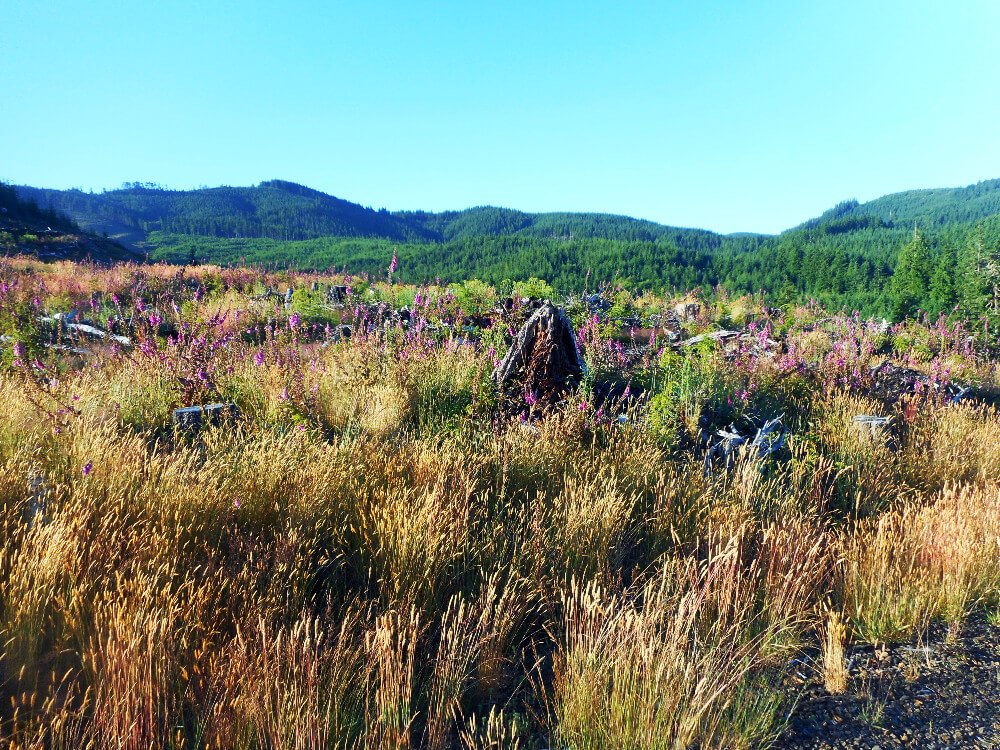
Harvesting Oregon's Inland Region
 Wild edible diversity a few miles east of our central Oregon coast
Harvesting Oregon's coastal region coming soon!
Let's Go... You're All Set to Forage for Wild Edibles!
But don't stop here... there are many reputable books, websites, and videos you can learn from.
Make sure the host has been there and done that.
I've been foraging around the Central Oregon coast and inland areas for many years. I'm always learning about new wild edibles, preparation, and storage. Furthermore...
I
really enjoy making my own teas, dried powders for my health drinks,
fermenting, and making delicious salads!
You'll
save money and enjoy the outdoors while collecting plants and other
forage that are much more nutritious than store-bought. And... you
don't have to grow them!
Happy Foraging!
P.S... We've got more great foraging content coming your way, packed with my (and my dogs') own experiences!
Nestucca Valley Sporting Goods and Little Nestucca Deli
31020 US 101 Hebo OR 97122
Phone: 503 392 4269
Safety
Disclaimer
The information provided regarding wild foraging is intended strictly for educational and informational purposes, carrying inherent risks of severe illness or poisoning from toxic species.
Users must verify
absolute identification through multiple reputable field guides and
experts, as well as assume full personal responsibility for legal
compliance, environmental hazards, and health safety.

Join Us on Social Media!


Be Sure to Check out Our Monthly News Bulletin!
You won't regret joining...
Like candy, once you read (eat) your first... it'll seem like eternity 'till the next issue shows up in your inbox! Furthermore...
We will never, ever, share your personal information with anyone else. Period. Just click here to enroll now... it's quick and easy :-)
Advertise Your Business with Us!
While we're constantly building and updating...our Nestucca Valley Sporting Goods and Deli store and website keep growing!
Do you have an antique shop in Cloverdale?
Vacation rentals right on the Pacific City / Cape Kiawanda beach?
Guided fishing trips on the Nestucca or other Tillamook County rivers?
Upcoming community event?
Another type of business?
Be one of the first... here's more!
Be One of the First to Receive Our
Monthly Bulletin!
Join our community for upcoming events, tips, fishing reports and more...
We Provide Shuttle Service for Our Hebo Area Salmon and Steelhead Streams!
Beginning Friday, September 25th, we will only be booking and running shuttles from...
5am to 1pm, 7 days a week.
Questions or need more info?
Call us at 503 392 4269 or click here.
What Do You Need?
We've got tasty homemade deli treats and...

...cool outdoor shirts...

...plus the equipment you really need...

...and more!
Visit Here Often..
...we're really buzz'in around here and exciting new things are always happening.
Menu updates and specials, reliable fishing reports, maybe an extra huge sand shrimp delivery and much more!
Be sure to check out our Blog for the latest news and updates. Furthermore... here's more on our additional Past News Blog Pages.
_______________________
Are you looking for Big and Little Nestucca River Fishing Updates?
They're here on our Blog Page hot off the press! We're covering other Oregon Coastal rivers as well (and expanding).
_______________________
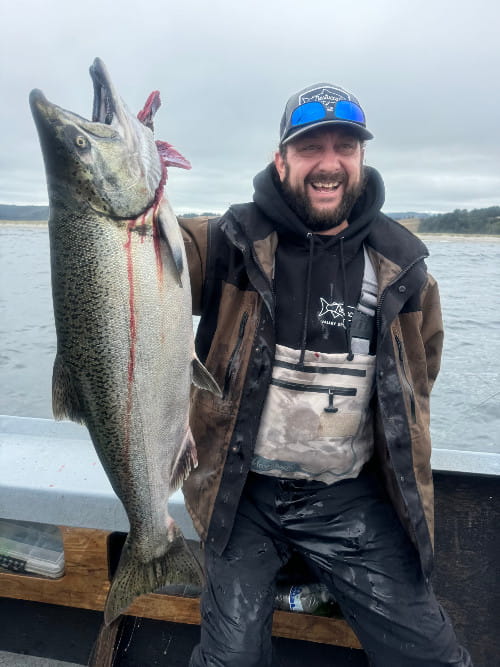
Would You Like a Picture of Your Fall Chinook or Summer Steelhead Right Below?
Send it over here!
Jr with his first fall chinook chromer...
Store Hours
Since July 1st:
5am-5pm 7 Days a Week
Email us here
Phone: 503 392 4269
_______________________
You'll Enjoy Our Social Media Fun!
Please join in!
Recent Articles & News


-
Foraging for Wild Edibles: The Oregon Coastal Inland Region
Oct 09, 26 04:32 PM
 Foraging for wild edibles inland from Oregon's beaches: My Complete Guide. Start harvesting today, winter or summer! Proper identification, uses, and more
-
Foraging for Wild Edibles On the Oregon Coast and Inland Regions
Oct 09, 26 04:22 PM
 How to forage for wild edibles on the Oregon coast and inland region: Master harvesting, correct identification, preparation, tasty recipes, and proper storage!
-
OUR SECOND FORAGING PAGE IS IN THE WORKS!!
Oct 04, 26 02:56 PM
Are you ready for our first Hebo area wild edible selection? It'll probably be something I just harvested this early October... something really common and easy to identify. Keep checking back! -
Support Hebo Area Conservation and Hatchery Programs!
Oct 03, 26 02:45 PM
 Support Hebo area conservation and hatchery programs: Pick up garbage, plant trees along muddy river banks and much more!
-
Our Hebo Tackle Store has what You Need for a Successful Fishing Trip
Oct 03, 26 02:01 PM
 Tired of tackle shops full of stuff to catch your eye and not the fish? That's not our style here at our Nestucca River area tackle shop!
-
QUIT BUYING SEAWEED & HARVEST IT RIGHT OFF OF OUR BEACHES!
Sep 19, 26 09:05 AM
I harvest bullwhip kelp at Cape Kiawanda, Camp Winema and other local Oregon beaches... -
Advertise Your Business with Nestucca Valley Sporting Goods and Deli
Sep 15, 26 02:57 PM
 We're growing... we've got store customers and website visitors from around the country! Advertise your business with Nestucca Valley Sporting Goods and Deli!
-
Foraging the Coast and Inland: ALMOST DONE!
Sep 13, 26 08:34 AM
It's almost finished... taking a lot longer to build the main page than I thought. Then, the sub-topics, like harvesting nettles, making nettle tea, etc., will build a lot faster. Remember, we take al… -
What's Been Going On and Fall Chinook Season!
Sep 08, 26 02:03 PM
We wanted to update you with our current website building/updating plan. Also, a quickie about catching fall chinook around here... tips about where you should fish right now. -
What Shape Steelhead Spinner Blade Works Best? Decide Before You Cast!
Sep 07, 26 04:10 PM
 Different shaped spinner blades are suited for different types of steelhead water conditions. Making the correct selection is key... here's how!
-
Fresh and Tasty Homemade Hebo Deli Food
Sep 06, 26 02:14 PM
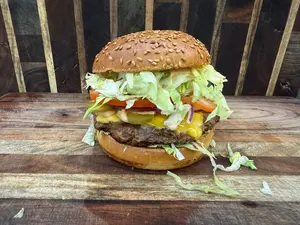 Our Hebo Deli is a great choice before or after a day on the Oregon Coast. Enjoy your favorite homemade food with a hot or cold beverage.
-
Foraging Hebo Area Wild Edibles!
Sep 03, 26 04:10 PM
I quit buying greens and some other veggies and fruits. I harvest them from all around here near Hebo! I just fermented a couple quarts of wild apples I picked. I had a huge salad last night...all ing…